
Heating Your Home With Your Pond
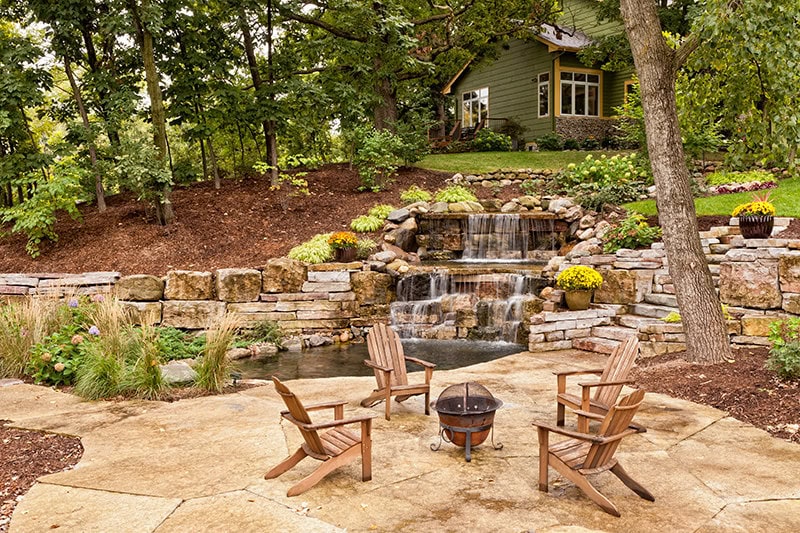
Do you have a pond on your property? If so, you probably enjoy the natural beauty it adds to your lifestyle. Maybe you appreciate being visited by frogs, turtles, or waterfowl, or you use it for swimming, fishing, or simply relaxing nearby on warm days.
In addition to these recreational and aesthetic benefits, did you know your pond could also serve a more functional purpose? With the right technology, and a little help from Airplus of California, you can transform your pond into a sustainable heating and cooling source for your Corona, CA, home.
By installing a geothermal heat pump system—specifically a water-source heat pump—you may be able to harvest the natural warmth from your pond and use it to heat (and cool) your home.
How Do Water-Source Heat Pumps Work?
Water-source heat pumps work similarly to traditional ground-source geothermal heat pumps, except they use a body of water—in this case, your pond—as the medium for heat exchange.
If your pond is eligible for use as a heat source, one essential factor it must have is a relatively stable and consistent temperature at its bottom. That’s because geothermal systems rely on this consistent underground or underwater temperature to effectively move heat.
Here’s how a water-source geothermal system works:
- A series of durable, closed-loop pipes—filled with a mix of water and antifreeze—are submerged in the bottom of your pond and connected to a heat pump inside your home.
- As the liquid circulates through this loop, it absorbs stored thermal energy from the pond.
- The heat pump then extracts that warmth and distributes it throughout your home via your existing ductwork or radiant heating system.
And during warmer months? The process works in reverse. The system draws heat from your home and expels it into the pond, keeping your living space cool and comfortable. It’s a clean, efficient way to enjoy year-round climate control.
Can I Install My Own Geothermal Heat Pump?
Installing a geothermal heat pump system that relies on a pond or lake requires professional assessment and planning. Before moving forward, one of our trained Airplus of California technicians will inspect both your home and your pond.
Key factors we evaluate include:
- The size and depth of your pond (a minimum depth of 8 feet is often recommended)
- Water quality and circulation
- Proximity to your home
- Overall energy demands of your household
If your pond meets the system requirements, and you decide to move forward, our geothermal experts will design a loop system tailored to your Corona, CA, property. We’ll excavate a trench from your home to your pond, where we will install the pipe loop and connect it to a high-efficiency geothermal heat pump.
The installation process is generally faster and less disruptive than traditional vertical drilling for ground-source geothermal systems, making water-source systems an attractive option for properties with access to suitable water features.
What Are the Benefits of Geothermal Heat Pumps?
Geothermal heat pumps offer a long list of benefits over conventional heating, ventilation, and air conditioning (HVAC) systems.
Here are just a few:
1. All-in-one, year-round heating and cooling
Even if your pond’s surface freezes during the winter, the temperature at the bottom stays relatively stable, typically around 50°F, depending on your region. That means your water-source heat pump can still pull enough warmth to heat your California home. The same system then cools your home in summer. You don’t need to invest in separate heating and cooling equipment—it’s all built into one efficient unit.
2. Energy savings
Pond-sourcing requires no gas or delivered fuels, and geothermal systems use significantly less electricity than traditional HVAC setups. Many homeowners see a substantial reduction in monthly utility bills after switching. ENERGY STAR® certified geothermal heat pumps are 61 percent more energy efficient than standard air-source heat pumps.
3. Financial incentives
Geothermal systems are considered renewable energy technologies and are sometimes eligible for various financial incentives. Depending on your location and utility provider, you might qualify for:
- State-level rebates
- Local or utility-sponsored efficiency grants
Ask one of our team members at Airplus of California for the most up-to-date information about which programs may be available in your area.
4. Eco-friendly
Unlike fossil fuel systems, geothermal units don’t produce combustion emissions. Using consistent heat stored in your pond reduces your home’s carbon footprint and limits resource consumption. Plus, the closed-loop system ensures no harmful chemicals or materials leach into the water. It’s the most environmentally responsible HVAC option available.
5. Quiet and low-maintenance
Because most components are underground or underwater, water-source heat pumps operate quietly and are protected from weather damage. With fewer moving parts than conventional systems and no outdoor condensing unit, maintenance needs are minimal—another reason homeowners appreciate the long-term reliability.
Contact Airplus of California for All Your Heat Pump Services
Are you ready to explore whether your pond could provide year-round comfort to your home? Our experienced technicians at Airplus of California would love to help you determine if a pond-source geothermal heat pump is the right fit for your property.
Call us today at Airplus of California or request service online to schedule a consultation. We proudly serve Corona, CA, and the surrounding communities, providing energy-efficient, sustainable heating and cooling solutions tailored to your home’s needs.
Due to government regulation, this information can change after the blog is published. Speak to a professional to verify available rebates.